


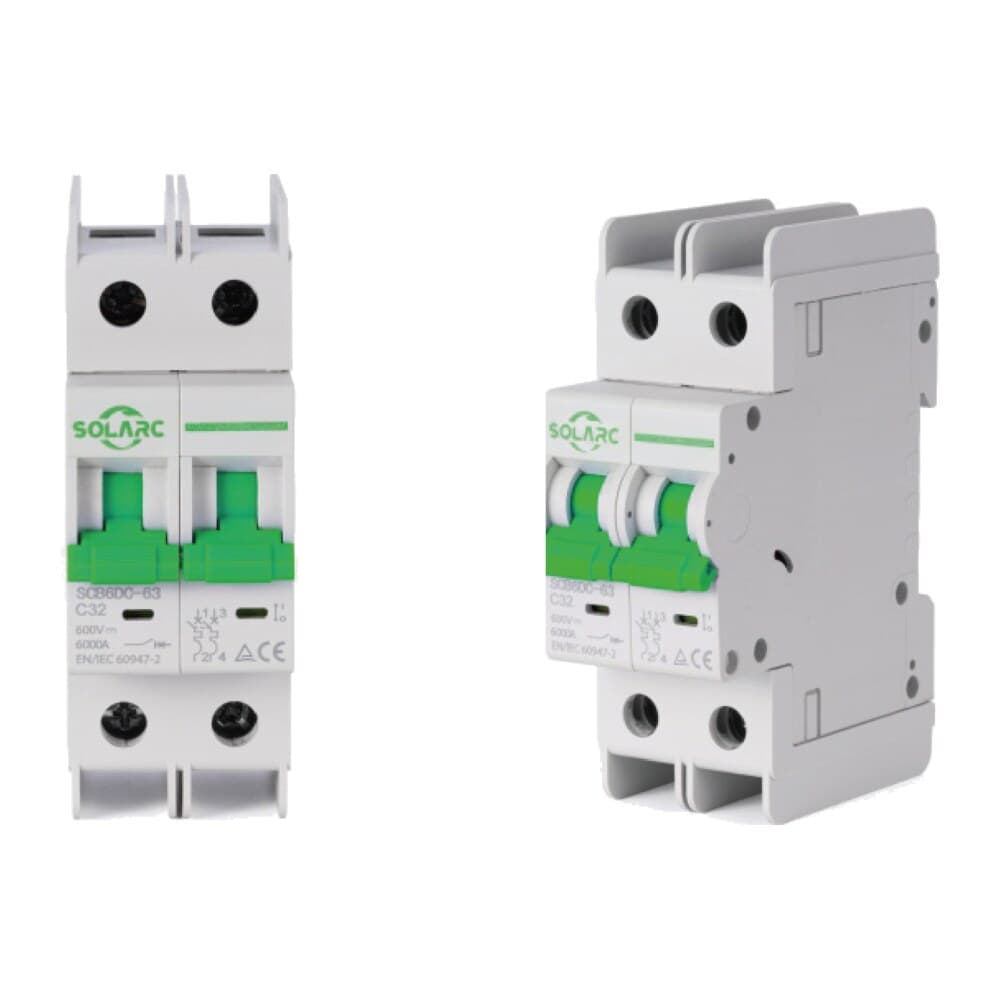
PV DC circuit breaker SOLARC SCB6DC-63
PROTECTION FOR PHOTOVOLTAIC CIRCUITS UP TO 1,200 V DC AND 63 A
- Ratings
- 1 to 63 A
- Breaking Capacity
- 10 kA
- Maximum Voltage
- 1,200 V DC
- Standard
- IEC 60947-2
For the DC side of the installation
Designed for photovoltaic and energy storage circuits up to 1,200 V DC, the SCB6DC-63 protects lines, modules, inverters and batteries against overloads and short circuits.
Non-polarised, 1P to 4P
It can be wired in either direction, which removes the risk of reversed polarity during installation. Operating voltage of 300 V per pole: 300 V in 1P, 600 V in 2P, 900 V in 3P and 1,200 V in 4P.
Up to 10 kA breaking capacity
7.5 kA service breaking capacity, 10 kA ultimate, 6 kV impulse withstand and 1,200 V DC insulation. Thirteen ratings from 1 to 63 A, in B, C or D curve.
Documentation to download
*Product images may represent the product range, or be for illustration purposes only, and may not represent the product exactly.
Technical specifications
| SCB6DC-63 | |
|---|---|
| Electrical specifications | |
| Number of poles | 1P, 2P, 3P, 4P |
| Rated operating voltage | 300 V (1P), 600 V (2P), 900 V (3P), 1,200 V (4P) DC |
| Frame rating | 63 A |
| Ratings | 1, 2, 3, 4, 6, 10, 16, 20, 25, 32, 40, 50, 63 A |
| Rated insulation voltage | 1,200 V DC |
| Impulse withstand | 6 kV |
| Service breaking capacity Ics | 7.5 kA |
| Ultimate breaking capacity Icu | 10 kA |
| Arc distance | 50 mm |
| Tripping type | Thermal-magnetic |
| Tripping curves | |
| Thermal tripping | No trip at 1.05 In (≥ 1 h), trip at 1.30 In (< 1 h) |
| B curve | Hold at 4 In, trip at 7 In (< 0.1 s) |
| C curve | Hold at 6.4 In, trip at 9.6 In (< 0.1 s) |
| D curve | Hold at 9.6 In, trip at 14.4 In (< 0.1 s) |
| Service life and standards | |
| Mechanical endurance | 20,000 operations |
| Electrical endurance | 1,500 operations |
| Standards | IEC 60947-2, GB/T 14048.2 |
| Compliance | CE, RoHS |
Frequently asked questions
Why a DC breaker rather than an AC breaker on the panel side?
Direct current never passes through zero: the arc that forms when the contacts open does not go out on its own as it does with alternating current. A DC breaker is designed and tested to break that arc at the voltage of photovoltaic strings. An AC breaker, even of the same rating, offers no such guarantee.
See the whole protection rangeHow many poles should I choose?
The operating voltage increases with the number of poles wired in series: 300 V per pole for the SCB6DC-63. It must exceed the maximum open-circuit voltage of the string, calculated at the lowest temperature on site. This calculation is the installer’s responsibility.
See the SCB6DC-32, up to 1,000 V in 2PIn the same range
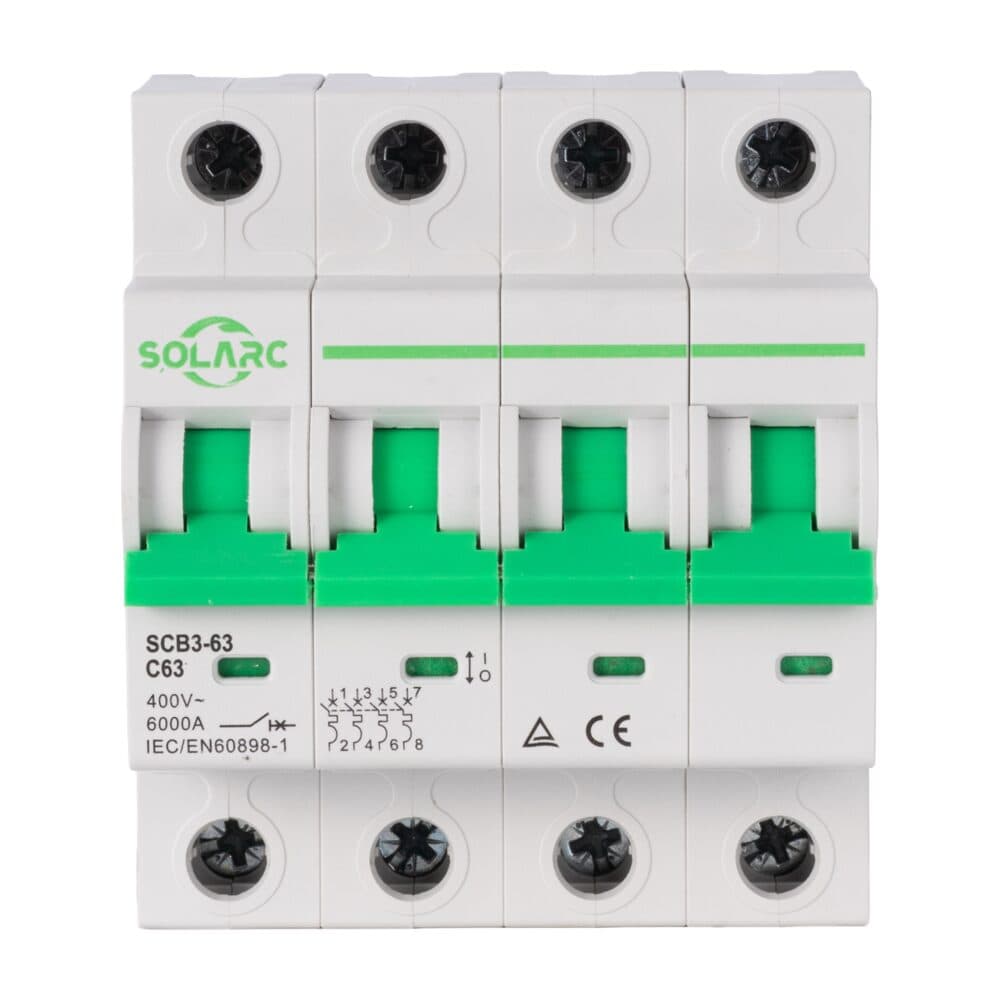
Miniature circuit breaker
SOLARC SCB3-63
- Ratings
- 1 to 63 A
- Breaking Capacity
- 6 kA or 10 kA
- Curves
- B, C and D
- Standard
- IEC/EN 60898-1
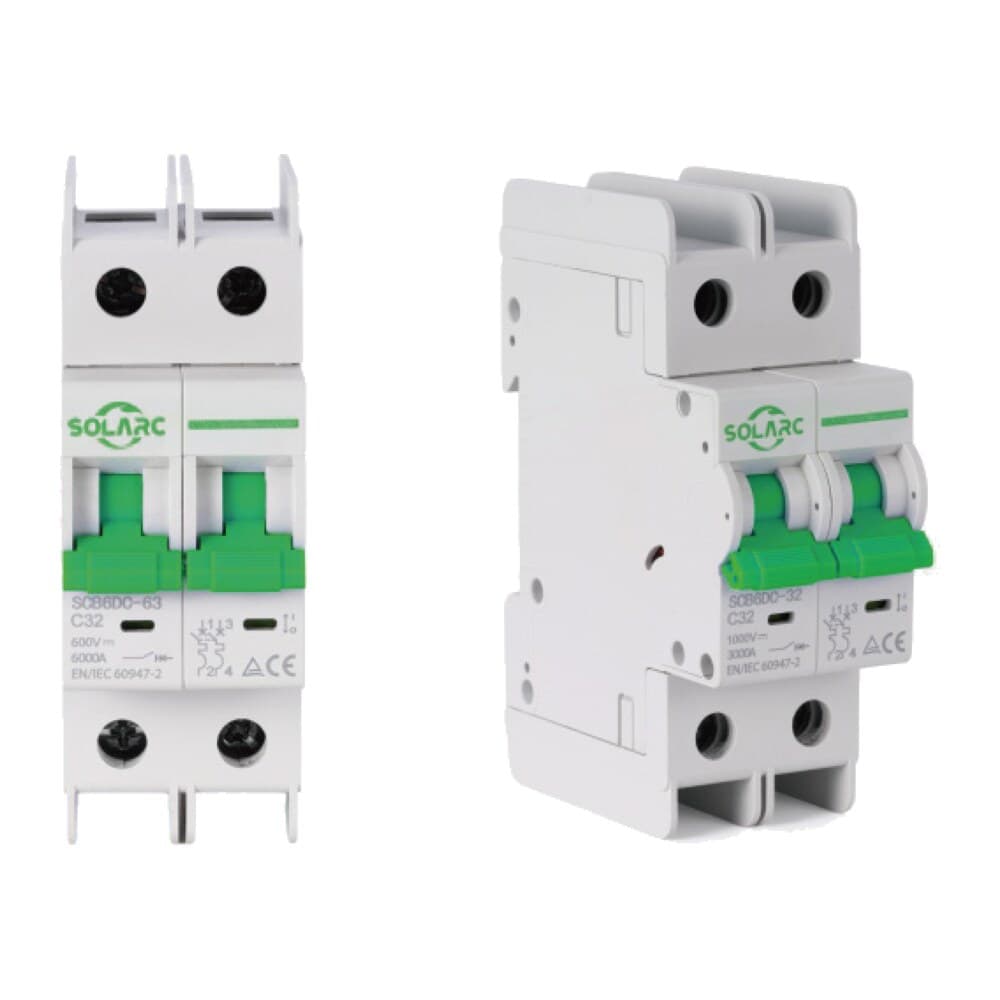
PV DC circuit breaker
SOLARC SCB6DC-32
- Ratings
- 6 to 32 A
- Breaking Capacity
- 6 kA
- Maximum Voltage
- 1,000 V DC
- Standard
- IEC 60947-2
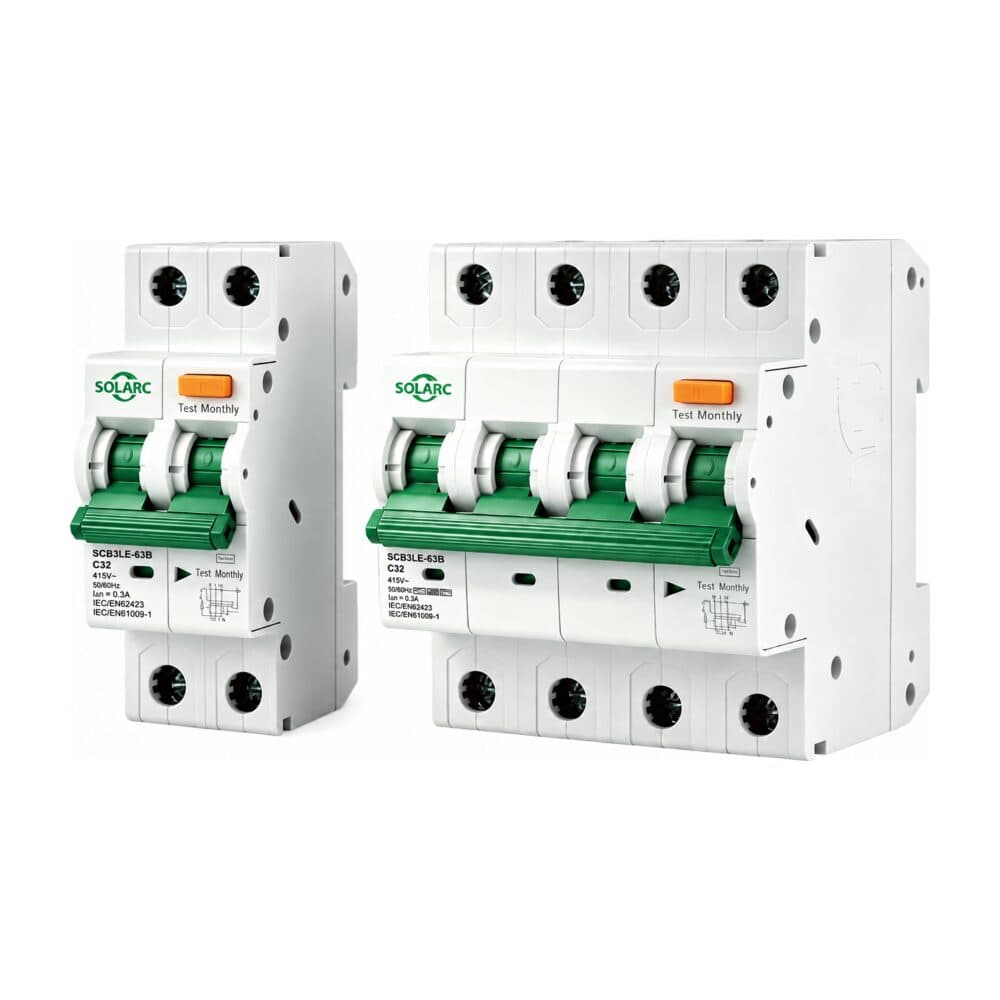
RCBO
SOLARC SCB3LE-63B type B
- Residual Current Type
- Type B
- Sensitivity
- 30 to 300 mA
- Ratings
- 6 to 63 A
- Poles
- 1P+N or 3P+N
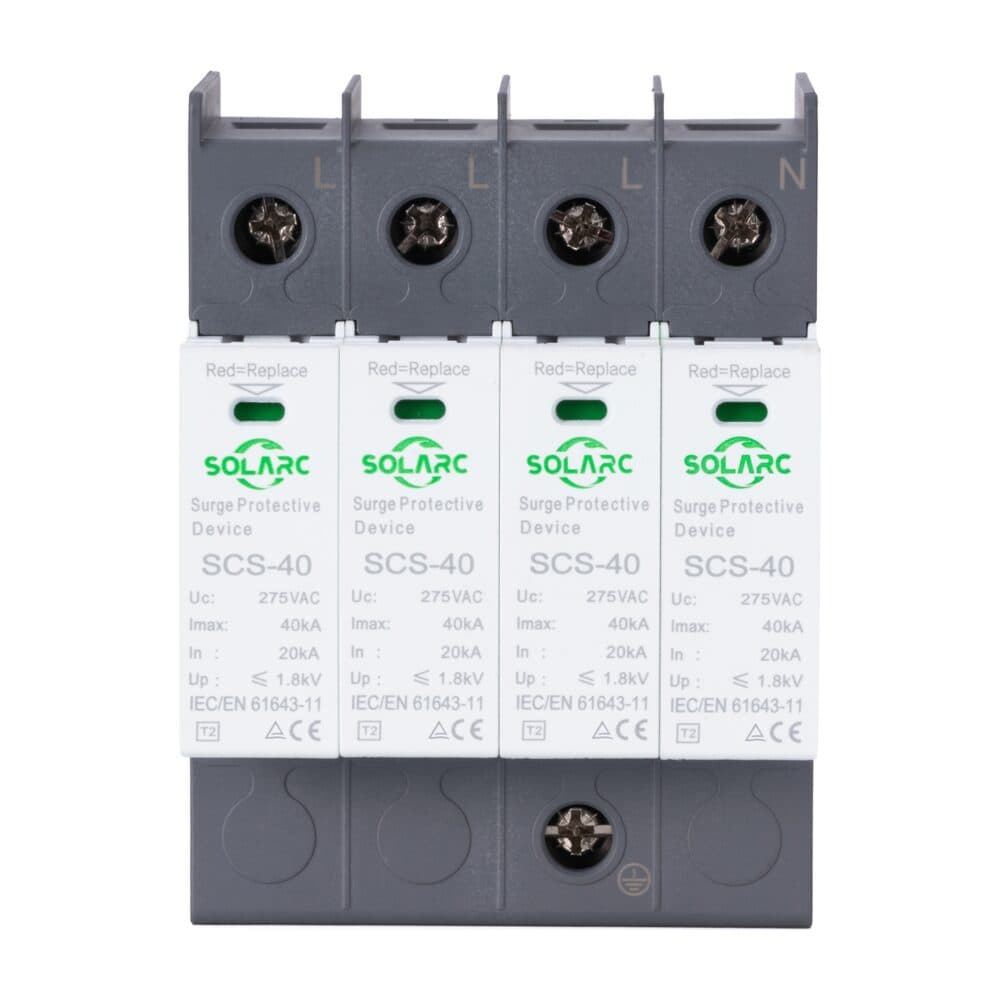
Surge protector
SOLARC SCS-40 type 2
- Maximum Current
- Imax 40 kA
- Protection Level
- Up ≤ 1.8 kV
- Nominal Current
- In 20 kA
- Voltage Uc
- 275 V AC
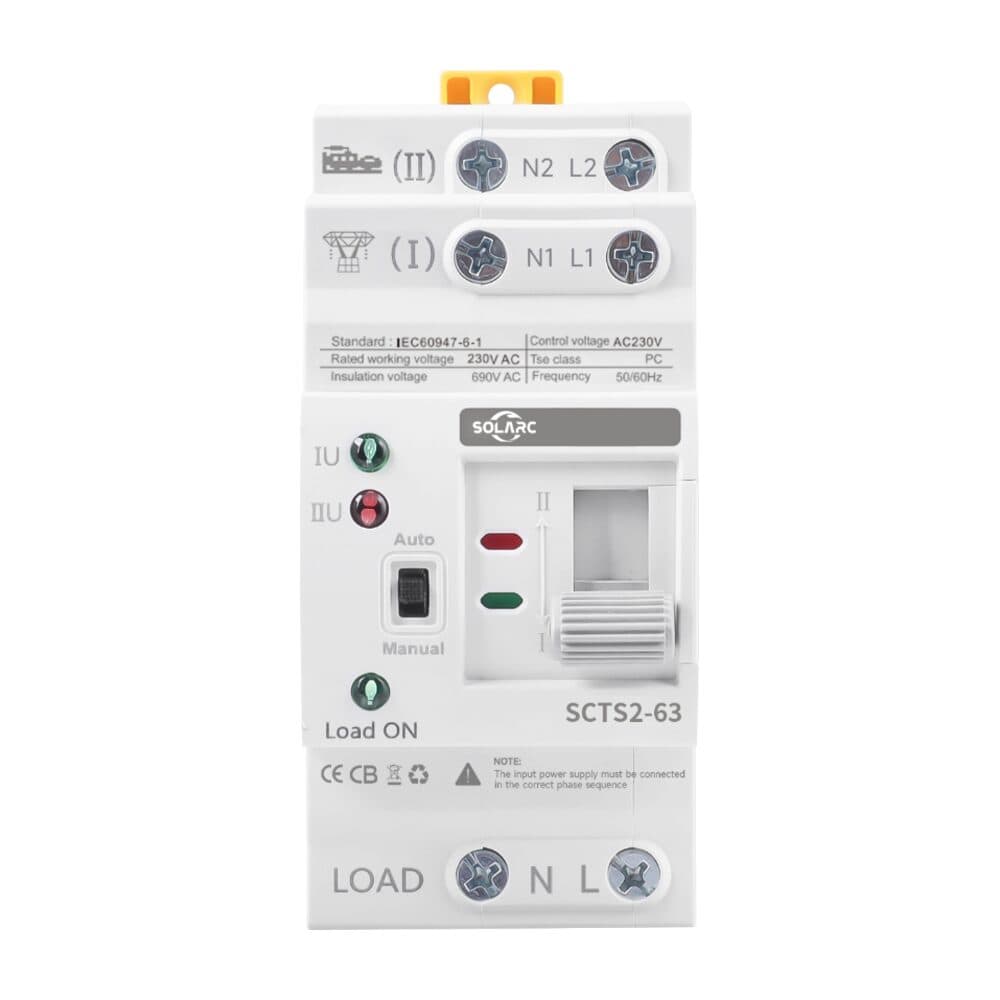
Automatic transfer switch
SOLARC SCTS2-63
- Transfer Time
- < 50 ms
- Ratings
- 6 to 63 A
- Poles
- 2P or 4P
- Class
- PC, IEC 60947-6-1
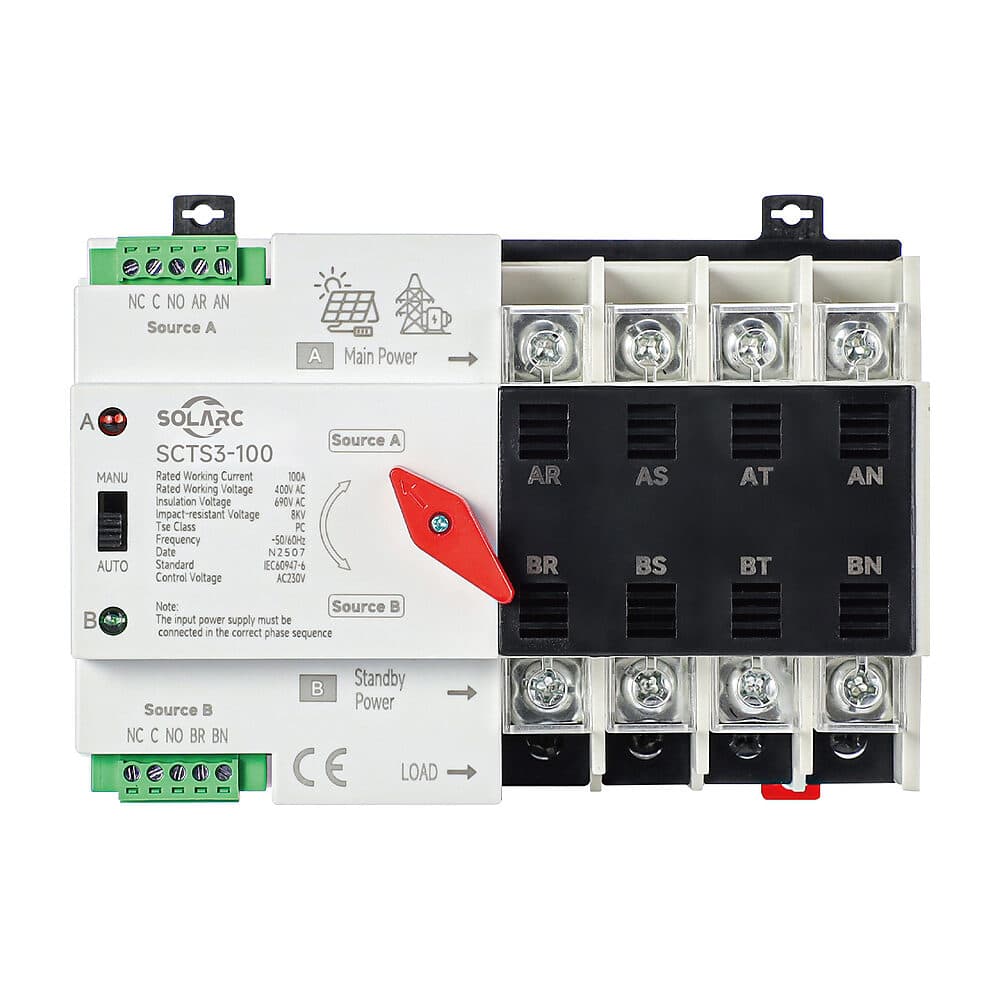
Automatic transfer switch
SOLARC SCTS3-100
- Ratings
- 16 to 100 A
- Transfer Time
- < 50 ms
- Poles
- 2P, 3P or 4P
- Class
- PC, AC-33iB
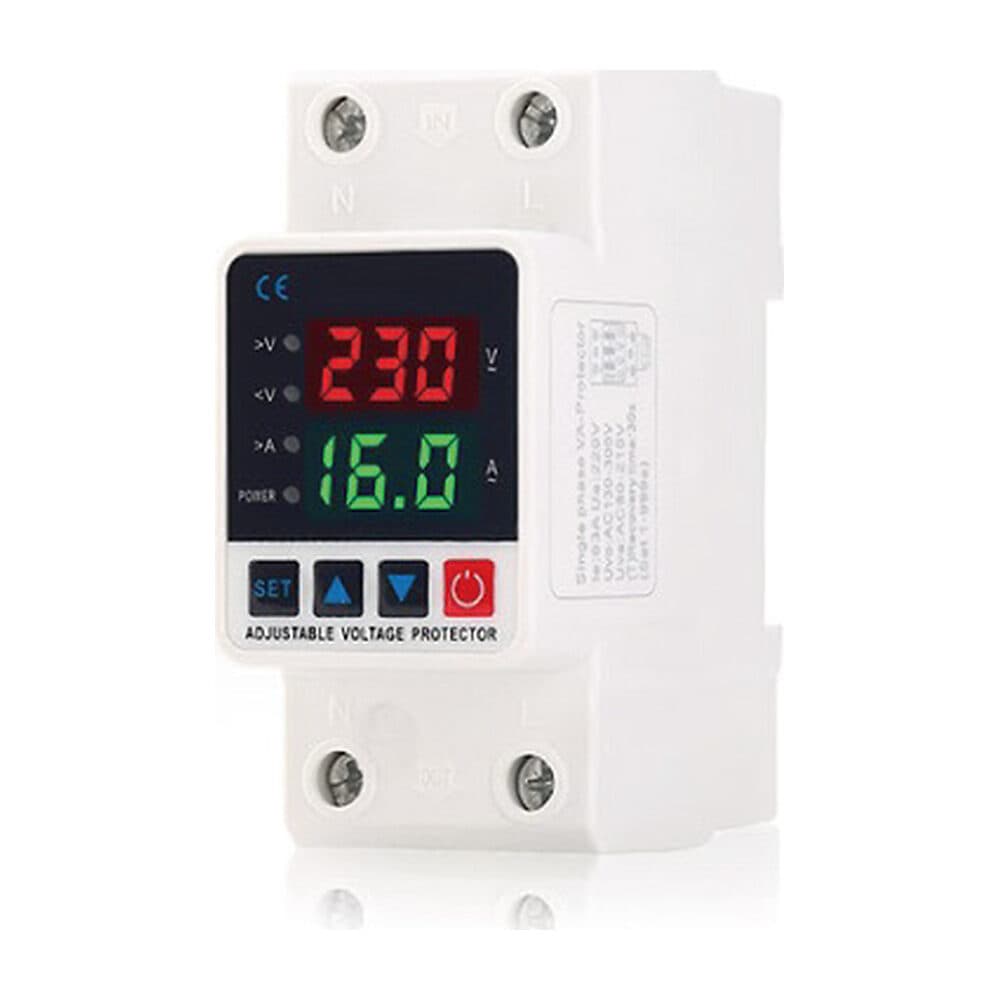
Over and under voltage protection
SOLARC SCS6-VA2 single-phase
- Maximum Current
- 40, 63, 80 or 100 A
- Overvoltage Setting
- 130 to 300 V
- Undervoltage Setting
- 80 to 210 V
- Accuracy
- < 1%
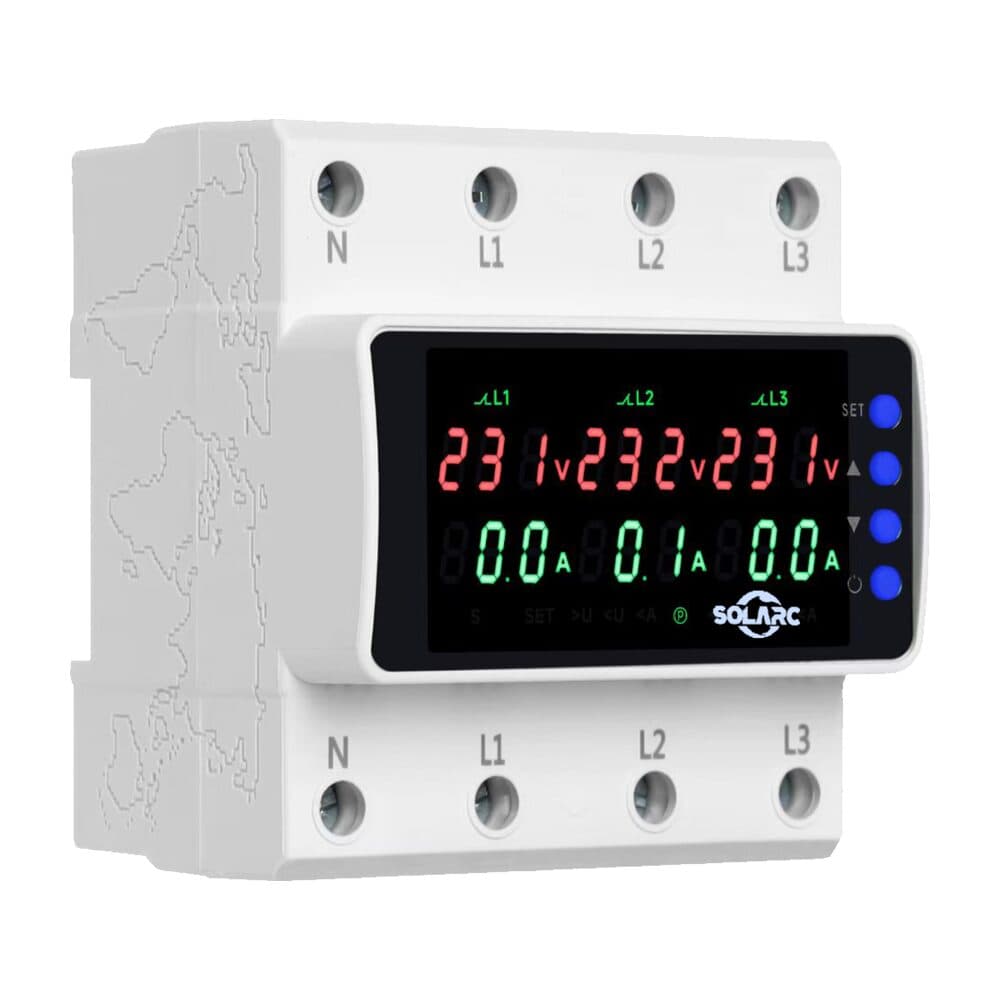
Over and under voltage protection
SOLARC SCS6-N6VA2 three-phase
- Supply
- Three-phase 380/400 V
- Faults Monitored
- Voltage, current, phases
- Display
- 6 LED displays
- Accuracy
- 2% on voltage
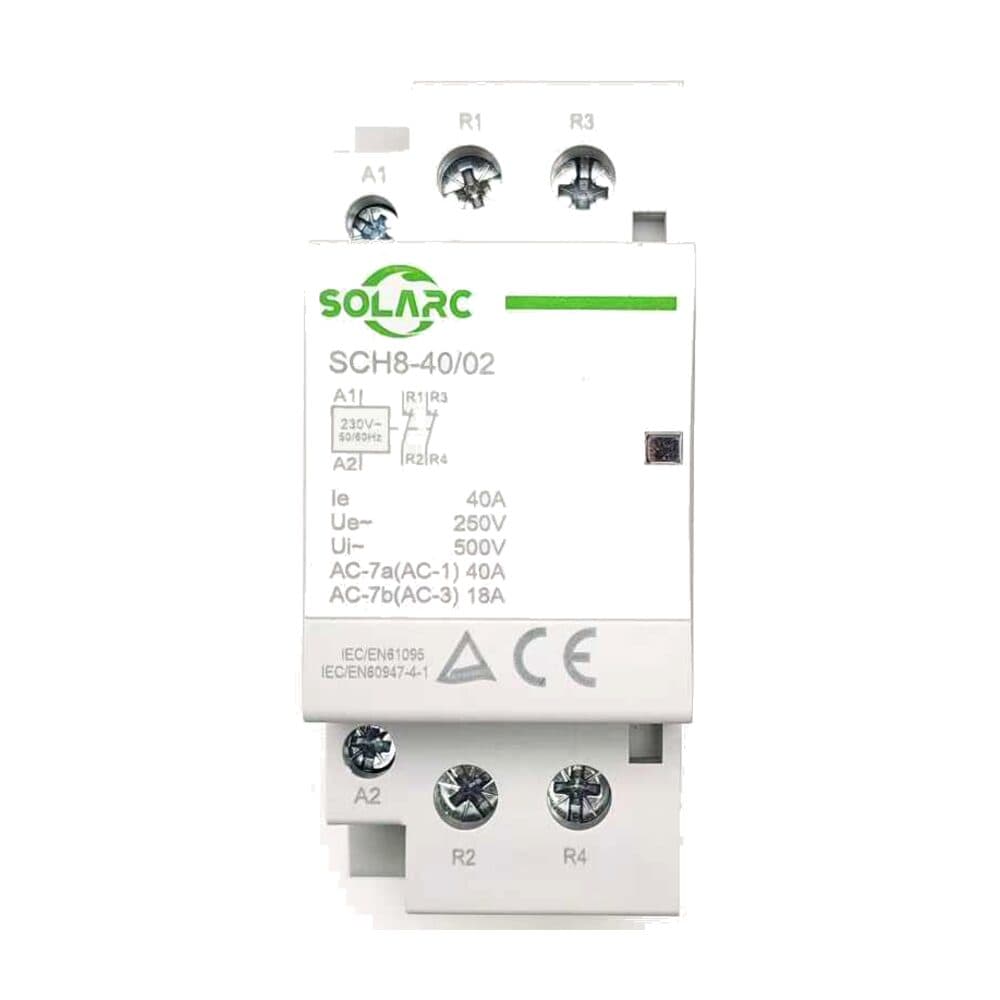
Modular contactor
SOLARC SCH8-40
- AC-7a Current
- 40 A
- AC-7b Current
- 18 A
- Coil
- 230 V AC, 50/60 Hz
- Contacts
- 2 NO, 1 NO + 1 NC or 2 NC